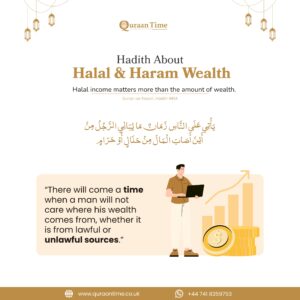

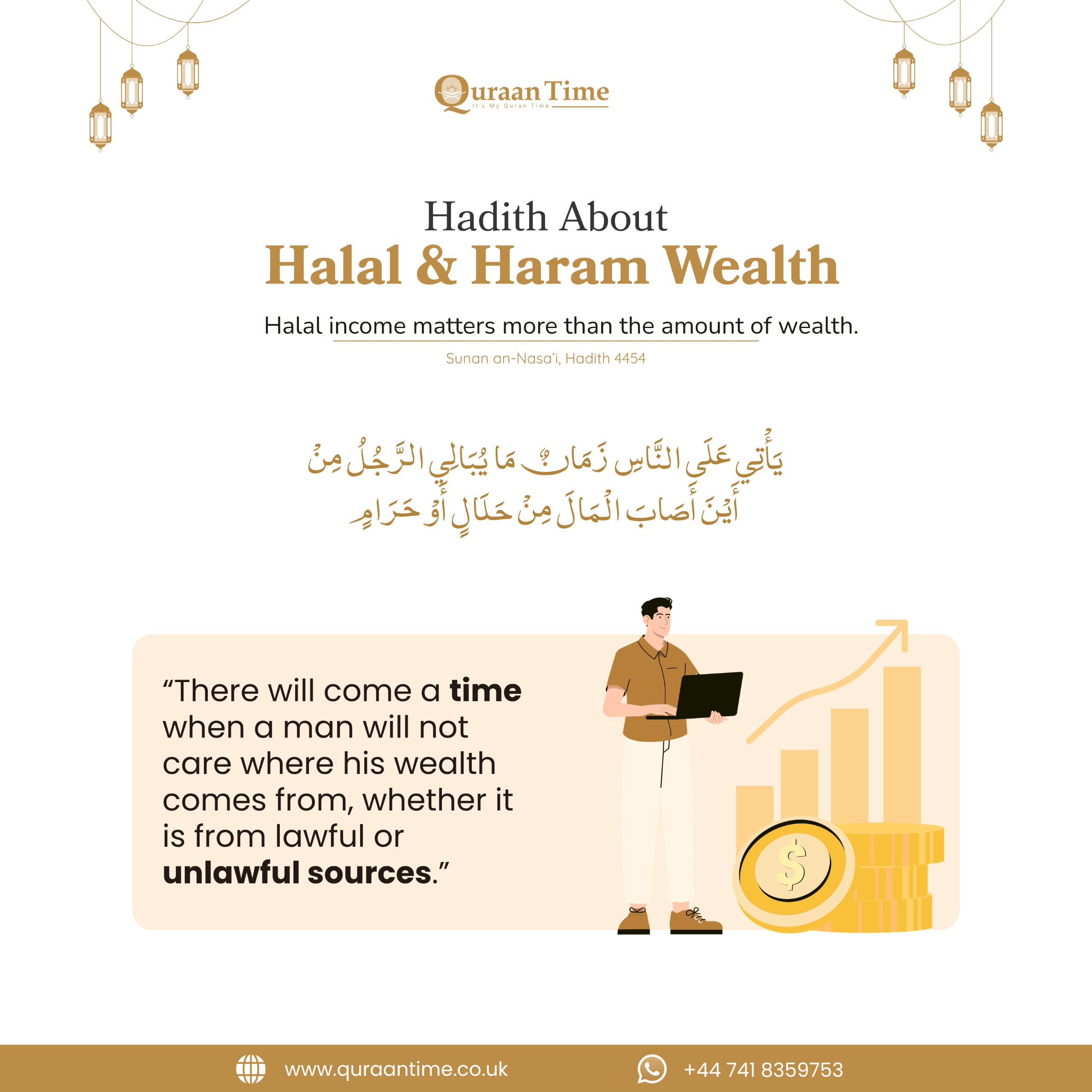
Halal income matters more than the amount of wealth. This profound statement encapsulates a core principle of Islamic economics and spirituality. The Hadith recorded by Imam an-Nasa'i (4454) serves as a timeless warning, yet also a beacon of guidance for Muslims navigating modern financial systems. It does not merely forbid the unlawful; it elevates the intention and source of earnings to a rank of paramount importance.
In an age of globalized trade, complex investment vehicles, and digital currencies, the line between halal and haram can become blurred. The Prophet's prediction, made over fourteen centuries ago, rings strikingly true today. Many individuals, driven by consumerism and societal pressure, may overlook the provenance of their income, focusing solely on its quantity. This article explores the depths of this Hadith, its implications for daily life, and practical steps to safeguard one's wealth and soul.
The Essence of the Prophetic Warning
The Arabic term "yubali" (does not care) signifies a profound indifference—a state where moral discernment is numbed. The Hadith doesn't describe a lack of knowledge, but a deliberate apathy. When a person ceases to question the source of their sustenance, they risk consuming what is spiritually toxic. This not only affects their own relationship with Allah but can also corrupt family, community, and even the legitimacy of their prayers and supplications.
Scholars emphasize that halal wealth is blessed (barakah), often extending beyond the tangible. A small amount earned lawfully can bring peace, contentment, and unforeseen opportunities, while vast haram wealth often leads to anxiety, instability, and spiritual emptiness. The Prophet ﷺ taught that a single bite of haram flesh makes the body deserving of Hellfire, highlighting the gravity of this issue.
Applying the Principle in Daily Finances
How does a believer implement this teaching? Firstly, by investigating the source of income—whether salaries, business profits, or gifts. Are the products or services offered permissible? Is there any element of deception, interest (riba), or exploitation? Secondly, by avoiding ambiguous (shubhah) transactions. The Prophet said, "Whoever avoids doubtful matters, he has safeguarded his religion and honor." Thirdly, by purifying wealth through Zakat and giving charity from the best of one's earnings.
Furthermore, the Hadith encourages us to reflect on our consumption habits. Do we spend on necessities, on family, on community, or on frivolities that lead to heedlessness? The purpose of wealth in Islam is not accumulation, but as a trust (amanah) to be used responsibly, with gratitude and generosity.
Q Questions & Answers: Teachers & Parents
Teacher (Ustadh Khalid):
"How can we teach our children to value halal income when they see peers with expensive possessions from uncertain sources?"
Parent (Sister Aisha):
"We must lead by example—discussing our own work ethics and avoiding lavish comparisons. We can also explain that barakah is invisible but felt: a halal dollar stretches further. Involve them in giving charity from their own allowance to instill that wealth is a tool for good, not an end."
Teacher (Ustadh Khalid):
"What practical steps can parents take to ensure the food and items brought into the home are entirely halal?"
Parent (Sister Aisha):
"Research brands, look for credible halal certifications, and buy from trusted Muslim or ethical suppliers. In the digital age, many apps and websites verify halal status. Also, involve the family in seeking knowledge—attend halaqas on Islamic finance and make dua together for provision from halal sources."
Teacher (Ustadh Khalid):
"If a person unintentionally earns haram or consumes it, how do they rectify it?"
Parent (Sister Aisha):
"Sincere repentance (tawbah), resolving not to return to the sin, and if possible, returning the unlawful amount or giving it in charity without expectation of reward. The door of forgiveness is open, and Allah is the Most Merciful. The key is to increase in halal earning and seek Allah's help."
Beyond the Individual: Societal Impact
When a community normalizes indifference to halal and haram, it erodes trust, encourages fraud, and perpetuates inequality. The Islamic economic system is built on justice, transparency, and mutual consent. The Hadith serves as a collective reminder that our wealth is not just ours; it carries rights of the poor, the orphan, and the wayfarer. Upholding halal standards strengthens the entire society, creating an environment where business thrives on integrity rather than exploitation.
In conclusion, the Hadith of an-Nasa'i is a call to mindfulness. It urges us to pause, question, and prioritize divine pleasure over material accumulation. By embracing halal as a lifestyle, we unlock true prosperity—a prosperity measured not in bank balances, but in peace of heart, acceptance of dua, and ultimate success in the Hereafter. May Allah grant us the ability to seek and consume only that which is pure and pleasing to Him.