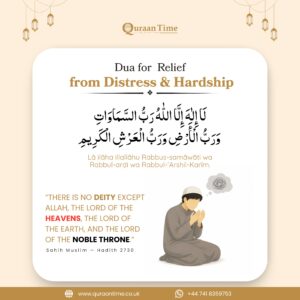


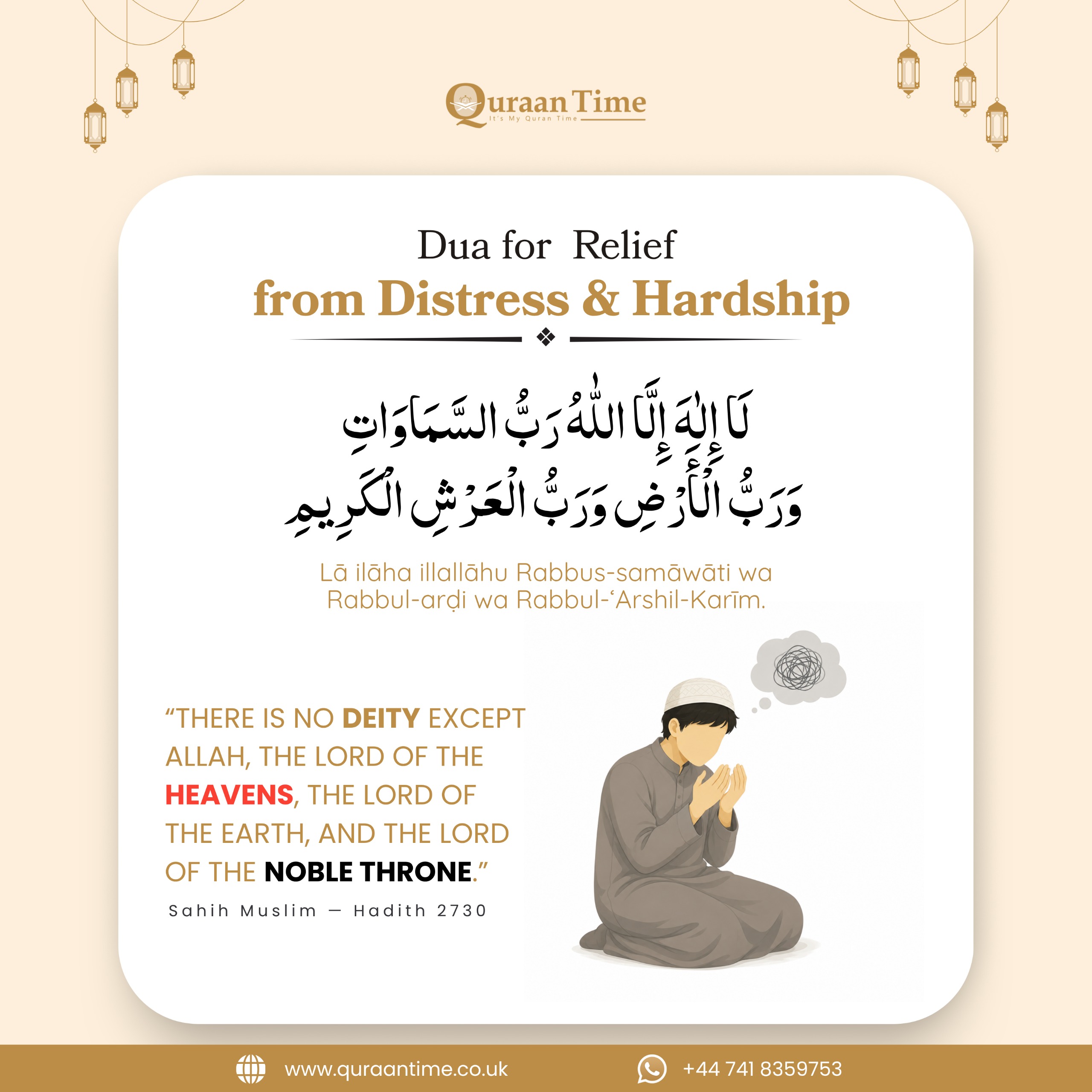
This supplication, though brief, encompasses the essence of tawhid (oneness of God). By acknowledging Allah as the sole Lord of the heavens, the earth, and the magnificent Throne, the believer shifts focus from the perceived magnitude of their trial to the infinite power of the Creator. The ‘Arsh (Throne) symbolizes ultimate authority and mercy; invoking it reminds us that nothing occurs outside Allah’s will and wisdom.
When distress clouds the mind, repeating this dua with presence of heart untangles the knots of anxiety. The Prophet Muhammad (peace be upon him) taught this dua as a means to dispel grief and worry. It is not merely a string of words but a spiritual anchor that reconnects the soul to its Maker, dissolving despair through certainty in Allah’s dominion.
Unlike general supplications, this dua explicitly mentions the heavens, earth, and the Noble Throne — three realms that encompass all of creation. This comprehensive praise instills khushu (humility) and deep trust. Scholars note that the repetition of “Rabb” (Lord) three times reinforces the intimate relationship between the servant and the Sustainer, making it particularly effective during overwhelming trials.
Teacher: Start by explaining the meaning in simple terms: “Allah is the King of everything — the sky, the earth, and His great throne. When we feel scared or sad, we say this to remember that only Allah can help us.” Use storytelling (e.g., the Prophet’s life) and repeat it together during calm moments, so children internalise it before a crisis.
Parent: Consistent practice, especially after prayers, helps. You can create a family routine: each night, each person shares one worry, then we recite this dua together, reinforcing trust in Allah’s plan.
Teacher: Absolutely. While Arabic is the language of revelation, Allah knows every tongue. The most important aspect is the meaning and intention. Recite in Arabic as much as you can, but a sincere translation with understanding carries immense reward and relief.
Parent: I recommend learning the Arabic gradually — even one phrase at a time. In the meantime, encourage your children to say it in their mother tongue with full conviction. Allah looks at the heart, not the language.
Teacher: Relief is not always instantaneous — it may come as patience, a changed perspective, or an opening you don’t yet see. The dua plants tawakkul (reliance) in the heart. Continue with persistence; the Prophet said: “The supplication of the distressed is answered.” Trust the process.
Parent: I remind my children that “relief” can also mean the strength to bear the hardship. Keep making dua, and also take practical steps. Allah’s help is always near, but it may arrive in ways we don’t expect.
Teacher: Yes, it is highly encouraged to make dua for others. You can say: “O Allah, relieve my brother/sister…” and then recite this dua with the intention of their ease. The Prophet often prayed for his companions in times of distress.
Parent: We teach our children to say this dua for a sick friend or a relative in difficulty. It builds empathy and reminds us that we are all connected in our need for Allah’s mercy.
The mention of the ‘Arsh (Throne) is not incidental — it is the greatest creation of Allah, encompassing all existence. When we affirm that Allah is the Lord of the Throne, we declare that our problems are smaller than His majesty. This perspective transforms anxiety into serene surrender.