

As the crescent moon is sighted and Ramadan approaches, Muslims around the world prepare for a sacred journey of spiritual renewal, self-discipline, and divine connection. This blessed month offers unparalleled opportunities for forgiveness, growth, and drawing closer to Allah.
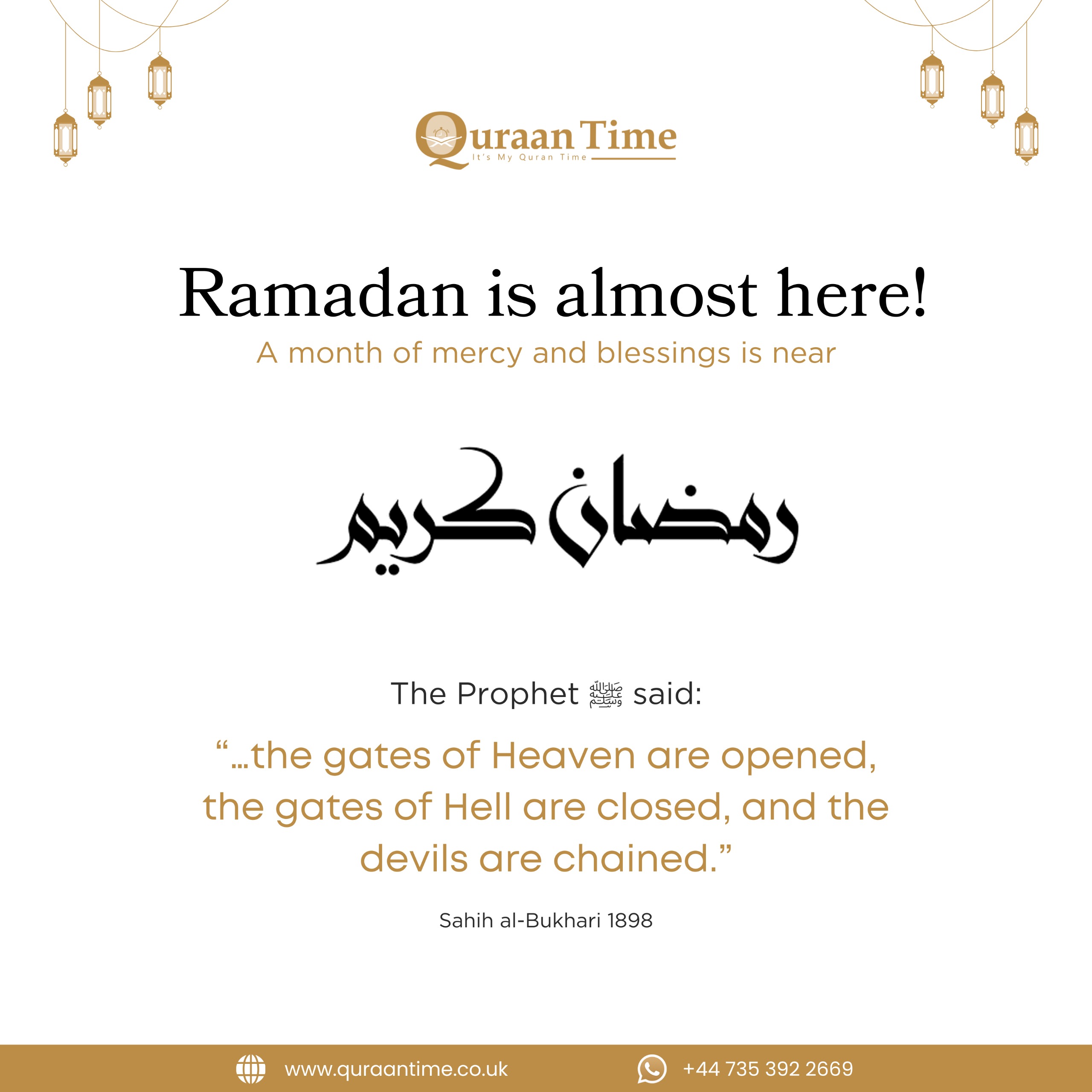
Ramadan, the ninth month of the Islamic lunar calendar, holds a special place in the hearts of Muslims worldwide. It is a time when the gates of Heaven are opened, the gates of Hell are closed, and the devils are chained, as narrated in Sahih al-Bukhari. This profound Hadith encapsulates the unique spiritual environment Ramadan creates—a month where barriers between the believer and divine mercy are lifted, and temptations are diminished.
The arrival of Ramadan signals a period of intense worship, reflection, and community bonding. Fasting from dawn to sunset isn't merely abstaining from food and drink; it's a comprehensive training program for the soul, teaching patience, gratitude, empathy for the less fortunate, and self-control.
Ramadan commemorates the month when the Quran was first revealed to Prophet Muhammad (peace be upon him). This connection to divine revelation makes Ramadan particularly significant for Quranic recitation and study. Many Muslims aim to complete the entire Quran during this month, either individually or through Taraweeh prayers.
The month is divided into three ashras (periods of ten days), each with its own special focus:
"When the month of Ramadan begins, the gates of heaven are opened, the gates of Hell are closed, and the devils are chained."
Sahih al-Bukhari 1898
Teacher Answer: Begin with age-appropriate explanations about sharing, empathy, and gratitude. You might have them participate in partial fasting—perhaps skipping a snack or waiting until iftar for a special treat. Emphasize that Ramadan is about becoming better people, helping others, and feeling connected to the Muslim community worldwide. Storybooks about Ramadan, creating a Ramadan calendar with daily good deeds, and involving them in preparing iftar can make the month special for them.
Teacher Answer: Acknowledge their challenges while reinforcing the spiritual purpose. Help them plan their day: a nutritious suhoor, adequate rest, and balancing school commitments. Discuss with school about accommodations during Ramadan. Most importantly, connect fasting to larger values—developing willpower, understanding privilege, and spiritual growth. Celebrate their efforts rather than perfection, and encourage them to connect with other fasting Muslim peers for support.
Teacher Answer: Create a Ramadan routine that includes family Quran time, shared prayers, and nightly reflections. Establish a "Ramadan jar" where family members note acts of kindness or things they're grateful for. Designate specific times for charity work or preparing meals for neighbors. Reduce screen time and increase quality family interactions. Remember, Ramadan is about transformation—identify one negative habit each family member will work on eliminating and one positive habit to cultivate.
Teacher Answer: View this as a wonderful opportunity for dawah (inviting to Islam) through example and explanation. You might invite neighbors for iftar to experience the breaking of the fast. When declining lunch invitations, briefly explain you're fasting and what Ramadan means to you. Many non-Muslims are curious and respectful—simple explanations about spiritual cleansing, empathy, and self-discipline often resonate deeply. Some families create small gift baskets with dates and information about Ramadan for their neighbors.
Proper preparation can help maximize the benefits of Ramadan. Consider these approaches in the weeks before Ramadan begins:
Whether you're seeking Quranic resources, Ramadan timetables, or spiritual guidance, our community is here to support you through this blessed month.
Visit: www.quroantime.co.uk
Contact: +44 735 392 2669
May your Ramadan be filled with blessings, forgiveness, and spiritual elevation. We wish you and your family a meaningful and transformative month.
Particularly significant are the last ten nights of Ramadan, during which lies Laylatul Qadr (the Night of Decree)—better than a thousand months of worship. While its exact date isn't specified, it's commonly sought in the odd-numbered nights of the last ten days (21st, 23rd, 25th, 27th, or 29th).
During these nights, increase your devotion with:
© 2024 Quroan Time. All rights reserved. This article is for educational and spiritual purposes.
May Allah accept our fasting, prayers, and good deeds throughout this blessed month of Ramadan.