

A comprehensive guide to understanding the essential acts of worship that form the bedrock of Islamic belief and spiritual life
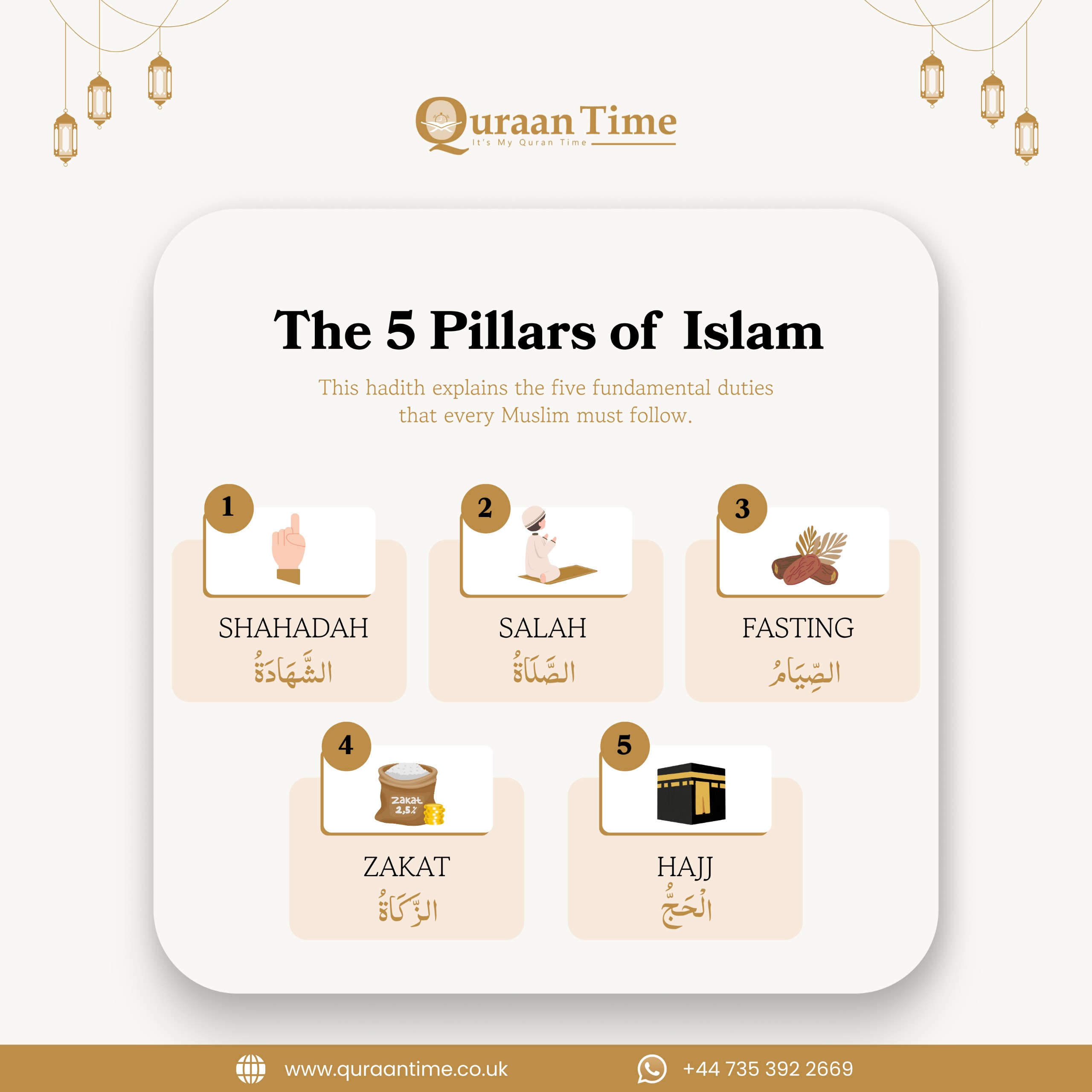
The Shahadah represents the fundamental creed of Islam: "There is no god but Allah, and Muhammad is His messenger." This concise statement encapsulates the core of Islamic monotheism (Tawhid) and establishes Prophet Muhammad as the final messenger. Reciting the Shahadah with sincere belief is the first step into Islam, and its daily remembrance reinforces a Muslim's faith foundation. This testimony rejects all forms of polytheism and affirms complete submission to Allah's will.
Salah consists of five obligatory prayers performed at specific times throughout the day: Fajr (dawn), Dhuhr (midday), Asr (afternoon), Maghrib (sunset), and Isha (night). Each prayer involves physical movements (standing, bowing, prostrating) synchronized with Quranic recitations, creating a direct connection between the worshipper and Allah. Beyond the obligatory prayers, Muslims may perform additional voluntary prayers (Sunnah and Nafl) that bring extra spiritual rewards and closeness to the Divine.
Zakat is a mandatory annual charity amounting to 2.5% of a Muslim's surplus wealth held for one lunar year. This pillar serves multiple purposes: it purifies wealth from greed, redistributes resources to those in need, fosters social solidarity, and reminds Muslims that all provisions ultimately come from Allah. Zakat can be distributed to eight categories of recipients mentioned in the Quran, including the poor, needy, those in debt, travelers, and those working to administer Zakat funds.
During the month of Ramadan, able-bodied adult Muslims abstain from food, drink, marital relations, and negative behaviors from dawn until sunset. This spiritual training cultivates self-discipline, empathy for the less fortunate, gratitude for blessings, and heightened God-consciousness (Taqwa). The fast is broken each evening with Iftar meals, often beginning with dates and water following the Prophet's tradition. The month concludes with Eid al-Fitr, a celebration marking spiritual renewal and communal joy.
Hajj is the annual pilgrimage to Mecca required once in a lifetime for Muslims who are physically and financially capable. Performed during the Islamic month of Dhul-Hijjah, Hajj reenacts the footsteps of Prophet Abraham, Hagar, and Ishmael. Key rituals include circumambulating the Kaaba, walking between Safa and Marwah, standing at Arafat, and symbolic stoning of pillars representing evil. The pilgrimage emphasizes universal brotherhood, equality before Allah, and spiritual rebirth, culminating in Eid al-Adha celebrations worldwide.
The Five Pillars of Islam function as an integrated spiritual ecosystem rather than isolated rituals. Shahadah provides the theological foundation, establishing the relationship between Creator and creation. Salah maintains this connection through daily spiritual discipline, acting as a continuous reminder of one's purpose and obligations. These two pillars primarily focus on individual spiritual development and direct worship of Allah.
Zakat introduces the social dimension, balancing personal spirituality with communal responsibility. By mandating wealth redistribution, Islam ensures economic justice and prevents wealth concentration. Sawm combines personal discipline with communal experience, as millions worldwide fast simultaneously during Ramadan, creating global spiritual unity. Hajj represents the culmination of this system, bringing together Muslims from every nation, race, and social class in a powerful demonstration of Islamic universalism.
Collectively, these pillars address human needs at multiple levels: spiritual (Shahadah, Salah), moral (Sawm), social (Zakat), and universal (Hajj). They accommodate different life circumstances through built-in flexibility—prayer adjustments for travelers, fasting exemptions for the ill, Zakat thresholds based on wealth, and Hajj obligations contingent on capability. This holistic approach distinguishes Islamic worship as comprehensive lifestyle guidance rather than mere ritual observance.
Comprehensive Islamic education resources based on Quran and authentic Sunnah
Learn more: www.quroantime.co.uk | Call: +44 735 392 2669